Plant biotechnology, bioethanol and plant growth regulators.
The origins of ItisScientific's applied biotechnology programme include years of voluntary work by founder Constantinos (Costa) Arvanitis in the RMIT Plant Biotechnology Research Laboratory under Dr Gregory Nugent, investigating plant transformation and cellulase-related biofuels research. The work informed later independent research into plant-growth-regulator formulations and commercially relevant plant products.
Research history supported by original RMIT references and correspondence
Hands-on research with Dr Gregory Nugent
From early 2012 to early 2014, Costa volunteered approximately fortnightly in RMIT University's Plant Biotechnology Research Laboratory at the Bundoora West campus, with further occasional laboratory work and scientific collaboration in subsequent years. Dr Nugent's signed RMIT reference dated 21 December 2014 confirms the volunteer placement, his direct supervision and its contribution to an Australian Research Council Linkage Grant-funded biofuels project.
The project investigated the expression of recombinant cellulase genes in plants, as part of research relevant to producing ethanol from cellulose-containing biomass. Costa contributed to laboratory activities involving plant tissue culture, plant transformation and molecular analyses of DNA and proteins. The work provided practical experience in transgenic-plant research rather than merely theoretical study.
Laboratory work was undertaken within RMIT's controlled research environment, alongside training in physical containment level 2 (PC2) laboratory safety, documented by a June 2014 training certificate. In 2016 and 2017, the collaboration also included participation in teaching and laboratory practicals, including work in plant cell biology and biolistics. A September 2017 RMIT email explicitly lists Costa as a co-demonstrator for a biolistics practical.
Documentary foundation: Dr Nugent issued signed academic references on 21 December 2014 and 7 May 2015. These independently document Costa's laboratory work, interest in biotechnology and discussions of plant-growth-regulator chemistry. The original references are retained in the founder's research archive.
Plant biotechnology and proposed applications
Bioenergy and molecular biology
Transgenic plants and cellulase expression
Plant transformation and expression of recombinant cellulase genes formed part of the ARC-supported RMIT research. The longer-term application was to investigate plant-derived enzymes and biomass-processing approaches relevant to bioethanol production.
Plant physiology and applied chemistry
Indole-based growth regulators
From at least 2013, Costa and Dr Nugent discussed the proposed preparation and biological assessment of plant-growth-regulating compounds, including indole-3-acetic acid (IAA) and naphthaleneacetic acid (NAA), with potential horticultural applications. These discussions are independently recorded in Dr Nugent's 2015 reference.
Product development
Stay-Alive experimental formulations
In July–August 2017, ItisScientific's archived “Stay-Alive” trials recorded plant responses to experimental growth-regulator and nutrient combinations, including comparative observations on geraniums, roses and blueberries. Original dated photographs and controls document these preliminary experiments. They are not presented as independently validated commercial efficacy data.
Horticultural biotechnology
Rooting gel and product concepts
2017 correspondence documents discussions of an experimental rooting gel, research assays, possible wholesale supply and confidentiality arrangements. Costa and Dr Nugent explored the possibility of collaborative commercial development. These were exploratory product-development discussions, not evidence of completed product registration or commercial launch.
Gregory Nugent and Costa also considered a possible doctoral research direction connected with plant-growth-regulator biology and related molecular approaches. The correspondence establishes that the idea was explored; it does not establish that this became an enrolled or completed doctorate.
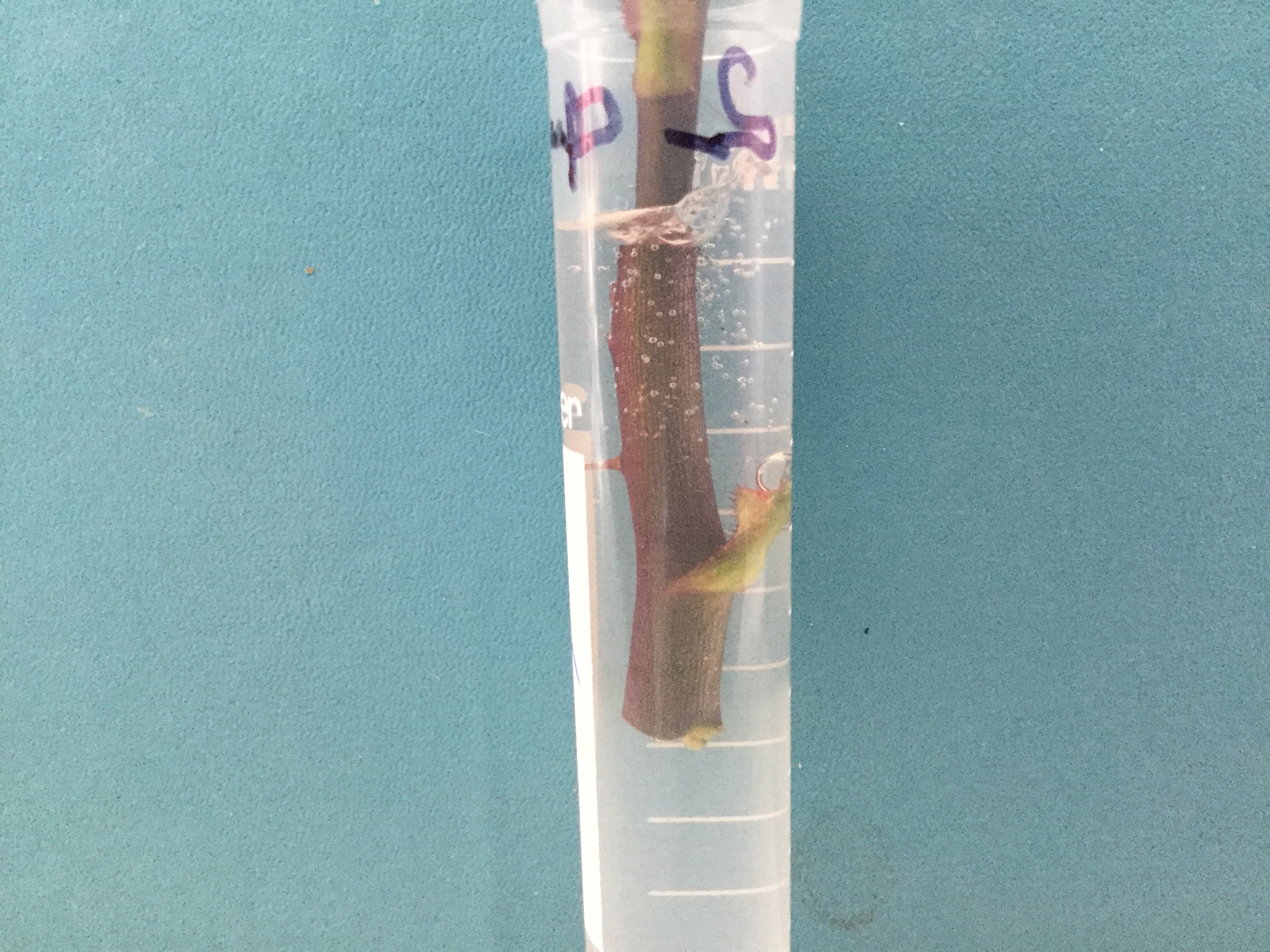
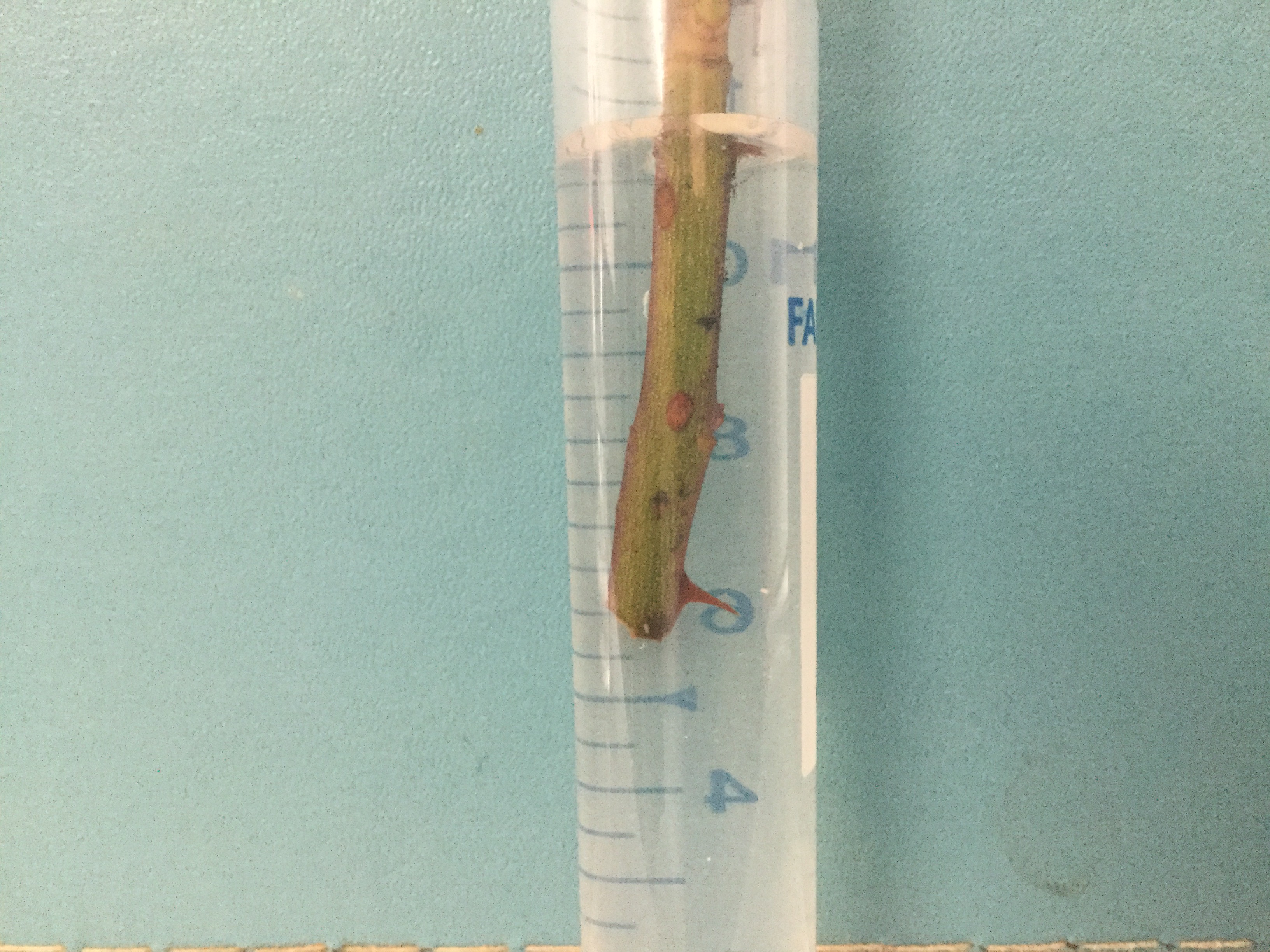
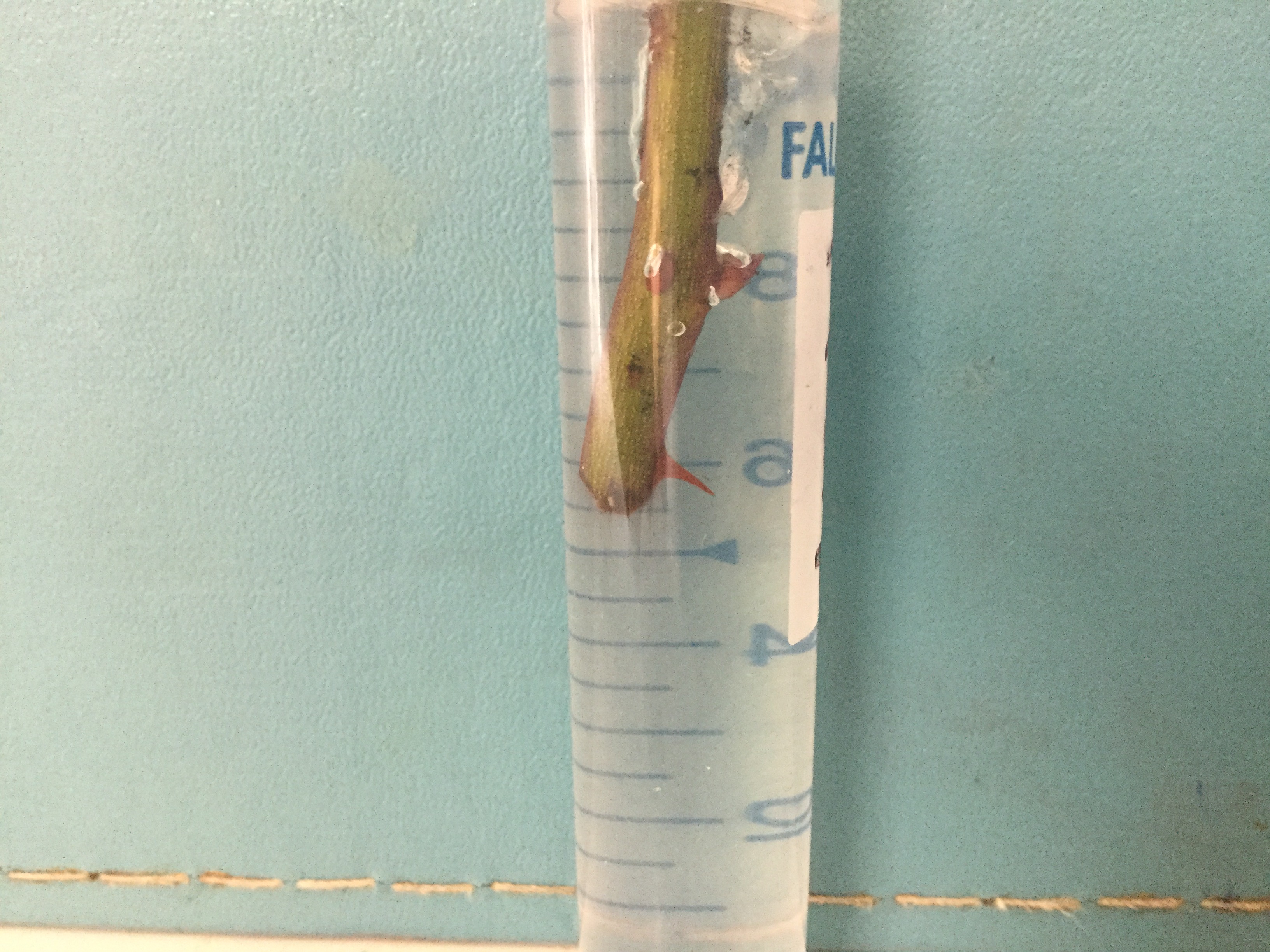
Rose propagation: original 2017 photographic record
The dated laboratory archive contains images of rose cuttings and growth observations from a series of experiments recorded in July 2017. These are genuine original photographs supplied by the founder, presented without alteration or invented experimental labels. Additional observations appear in the Stay-Alive trials and later discussions of rooting media.
20 July 2017. Archival rose experiment photograph; original file IMG_3408.JPG.22 July 2017. Follow-up record of the rose experiment; original file IMG_3449.JPG.25 July 2017. Further observations in the rose series; original file IMG_3470.JPG.
Continuing observations (November 2026).
The founder reports that rose plants derived from earlier treatments remain alive in Pinnaroo and that some have displayed unusually vigorous or accelerated growth relative to his expectations. This is a continuing observation, not yet a controlled demonstration of increased growth rate or permanent genetic change.
The research question is whether the response can be measured reproducibly and whether it persists in untreated clonal offspring or over time. Differences in growth may involve hormone-dependent cell expansion, altered gene expression, growth conditions or potentially longer-lived physiological changes. DNA sequence alteration, gene elongation and heritability have not been demonstrated.
Related historical research notes and photographs have also been discussed on the founder's public LinkedIn profile.
Evidence of a continuing research programme
Early 2012 – early 2014Volunteer plant biotechnology research at RMIT. ARC Linkage-funded biofuels work under Dr Nugent, including recombinant cellulase expression in plants and plant-transformation methods.
21 December 2014Formal RMIT reference. Dr Nugent documents the volunteer research placement, skills and contribution to the biofuels project.
7 May 2015Further signed scientific reference. Records discussions from 2013 onwards about proposed IAA/NAA synthesis, biological assays and the potential for horticultural products.
2016 – 2017Continued laboratory collaboration and teaching. RMIT emails document participation in cell biology, fermentation and biolistics practicals, as well as research discussions.
June – August 2017Product-development discussions and trials. Correspondence concerning rooting gel and prospective commercial collaboration is accompanied by dated Stay-Alive plant experiments.
12 July 2017ATO acknowledgement of the research direction. The ATO responds to an explanation of ongoing RMIT transgenic-plant and cellulase work and the connection to ethanol production.
Australian Taxation Office correspondence: the research was disclosed
On 12 July 2017, Costa wrote to ATO Excise Licensing Officer Richard Anderson explaining that he was continuing to develop transgenic plant material at RMIT Bundoora with Dr Nugent, investigating cellulase expression for ethanol production and assessing the use of cellulase in a further biomass-to-ethanol research pathway.
Richard Anderson replied that same day. He discussed the distinction between the cellulase and botanical feedstock, acknowledged the objective of improving ethanol yield from fermentation and distillation, and identified matters for further ATO notification—including any proposed use of tobacco plant material and employment changes. The exchange establishes ATO awareness of the research programme during the period covered by the company's ethanol manufacturing licence.
Scope: ATO correspondence concerned excise and ethanol-manufacturing obligations; it was not a separate permit for genetic modification or an endorsement of specific plant-growth-regulator products. The RMIT work took place in the university's research environment, distinct from the independent ItisScientific facilities in Pinnaroo.
The historical laboratory research and later experimental formulations illustrate how ItisScientific's renewable-fuels programme developed alongside applied plant science. The modern programme has expanded into analytical chemistry, polymer materials, robotics and scientific computing while maintaining this bioenergy research background.
Primary records retained in the research archive
Signed RMIT academic reference from Dr Gregory Nugent, 21 December 2014.
Signed RMIT follow-up reference from Dr Gregory Nugent, 7 May 2015.
RMIT PC2 laboratory safety training confirmation, 2 June 2014, and 2016–17 laboratory communications.
Plant-growth-regulator and rooting-gel correspondence, June–July 2017.
Dated July–August 2017 Stay-Alive formulation trials and original photographic observations.
ATO correspondence with Excise Licensing Officer Richard Anderson, 12 July 2017.
The original records are maintained as historical research documentation. They have not been represented as an RMIT commercial endorsement, registered product claims or proof of economic bioethanol production.
The Stay-Alive work follows the founder's earlier experience in original product manufacture and sales, including Mirro Majik mirror paint and a Big M soft-serve ice-cream product. Read the documented product-development history →