Research 01
Symbiotic nitrogen fixation
Investigate the nitrogenase-dependent metabolism of cyanobacteria associated with Azolla, including how nitrogen availability and heterocyst differentiation affect enzyme activity.
Research archive · Original doctoral proposal · 2019 onward
ItisScientific's research history includes a detailed proposal to investigate the aquatic fern Azolla and its nitrogen-fixing cyanobacterial symbiont as a potential biological platform for producing hydrogen, ethylene and ethanol. The research connects plant metabolism, microbial symbiosis, nitrogenase activity and renewable carbon feedstocks.
Documented research proposal and cultivation experiments — not a demonstrated production processOn 16 December 2019, founder Costa Arvanitis submitted a proposed doctoral research topic titled “Azolla as a New and Renewable Source of Hydrogen, Ethylene and Ethanol”, alongside a detailed RMIT confirmation-of-candidature proposal. The documents considered the physiology of the Azolla–cyanobacteria symbiosis and whether targeted metabolic regulation could influence the formation of industrially useful compounds.
The RMIT proposal discussed nitrogen assimilation, heterocyst development, nitrogenase activity and the possible influence of metabolites on the expression of nitrogen-fixing machinery. It also considered the possibility of exploiting plant biomass for conventional carbohydrate-to-ethanol production. These ideas were proposed for research and testing; the correspondence did not establish that the project received final school approval as a doctoral programme.
Investigate the nitrogenase-dependent metabolism of cyanobacteria associated with Azolla, including how nitrogen availability and heterocyst differentiation affect enzyme activity.
Assess the established reduction of acetylene to ethylene by nitrogenase as a measurable indicator of activity, while exploring whether biological production could ever be made practically useful. No industrial conversion rates are claimed.
Examine the relationship between nitrogenase-linked metabolism, photosynthetic activity and biological hydrogen release, including questions of yield, metabolic constraints and sustained production.
Evaluate the cultivation of Azolla and duckweed for biomass, carbohydrates and cellulose-based renewable ethanol research. The separate ethylene-to-ethanol chemical concept remains a proposed downstream pathway.
The founder documented Azolla cultures during the original research programme. The photographs below come from 2019–2020 correspondence. Separate images of Azolla cultivation were also submitted to the ATO in February 2021 as part of the company's ethanol-research record. The original image files are retained in the research archive.
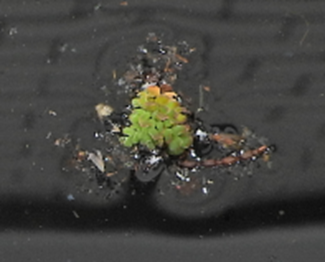
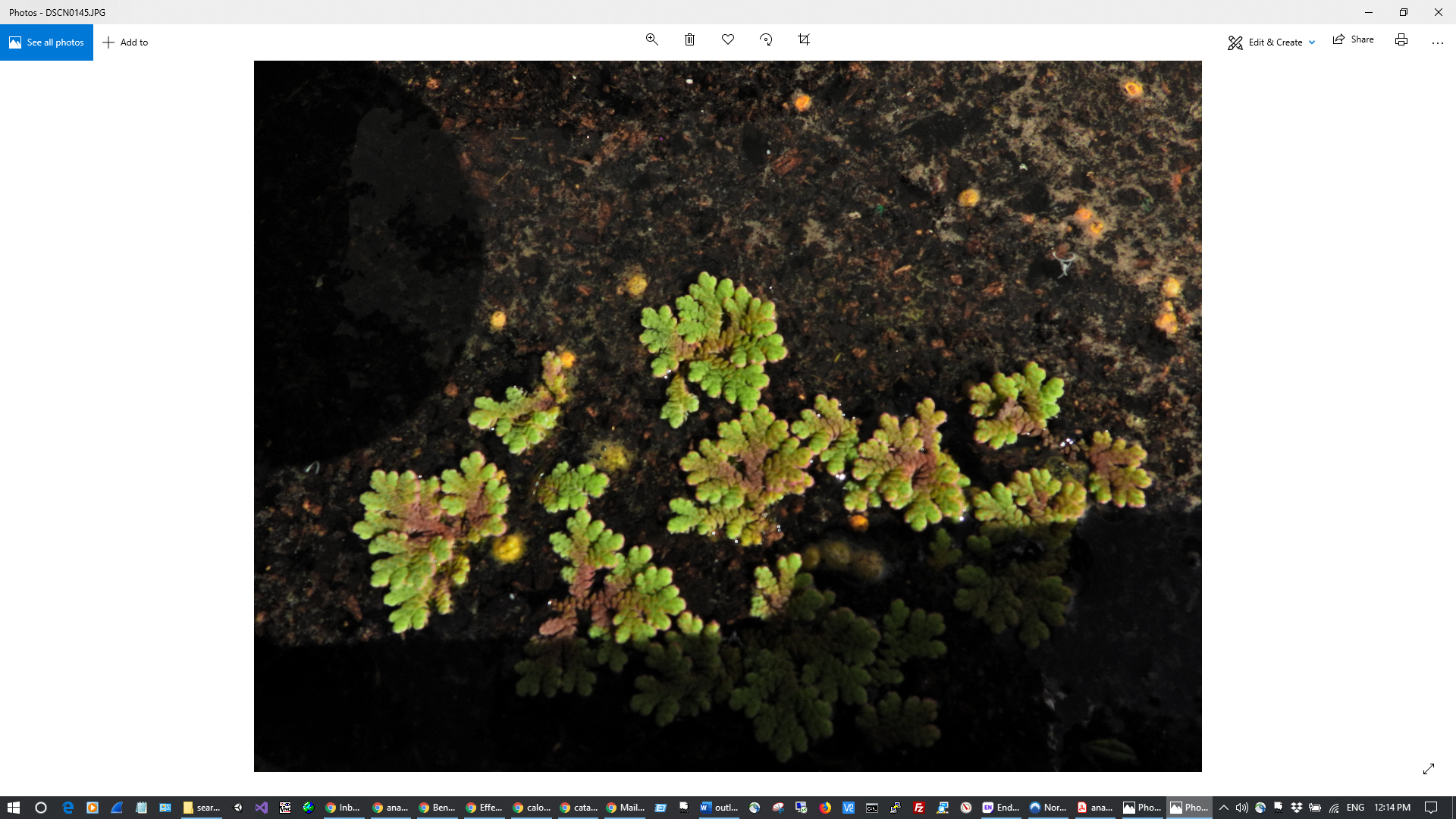
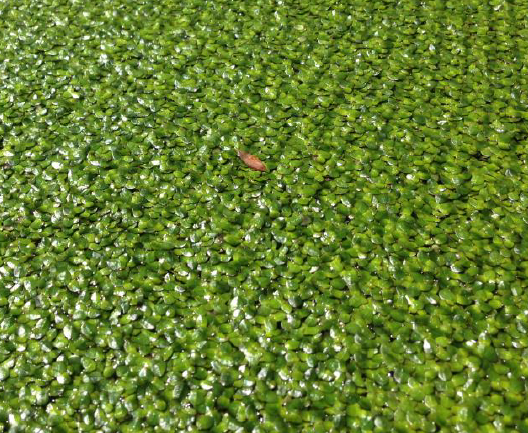
Photographic evidence relates to cultivation; it is not a measurement of hydrogen or ethylene output.
The founder also discussed the Azolla–cyanobacteria research direction in a March 2025 LinkedIn article titled Revisiting My Azolla Research: A New Perspective on Symbiotic Bacteria and Hydrogen Production. The public profile lists the article.
The proposal linked three disciplines: botanical biomass production, cyanobacterial physiology and downstream renewable-fuel chemistry. Its most unusual element was the proposal to investigate nitrogenase regulation in the Azolla symbiosis as a possible route toward biologically generated hydrogen or ethylene.
This original research direction is distinct from the company's subsequent plant-growth-regulator formulations, non-biological acetylene-to-ethanol investigations, and proposed propulsion materials. Together, they form complementary but scientifically separate parts of the broader ItisScientific portfolio.
| Documented milestone | Evidence in the research archive |
|---|---|
| 2019 doctoral research proposal | Submitted proposal covering Azolla, nitrogenase, hydrogen, ethylene and ethanol; accompanying academic correspondence notes the requirements for formal approval. |
| 2019–2021 cultivation work | Original Azolla/duckweed cultivation records and photographs, including those later provided in correspondence with the ATO. |
| 11 February 2021 ATO correspondence | The founder sent background information and cultivation photographs to the ATO explaining his Azolla and duckweed bioethanol research. |
| 2025 renewed scientific discussion | Correspondence shows a presentation discussing Azolla and hydrogen research circulated for a meeting with an RMIT researcher. |
Current status: This website documents the original research concept, its historical cultivation work and renewed scientific interest. It does not assert genetic alteration of the symbiont, verified net hydrogen/ethylene output, process economics, a validated biotechnology plant or product commercialisation.